Service
Hearing Aid Repairs & Adjustments
You don't have to be an established patient to walk in with a hearing aid that isn't working. We service most major brands, whether we fit them or not.
Plan for · Same day when possible
What's Included
Everything that happens in the room.
- Deep cleaning and vacuuming of receivers and microphones
- Wax-guard, dome, and receiver replacement
- Battery-door and tubing replacement
- Reprogramming to a current audiogram
- Bluetooth troubleshooting and app re-pairing
- Manufacturer send-out repairs when in-office service isn't enough

The three things that break most often
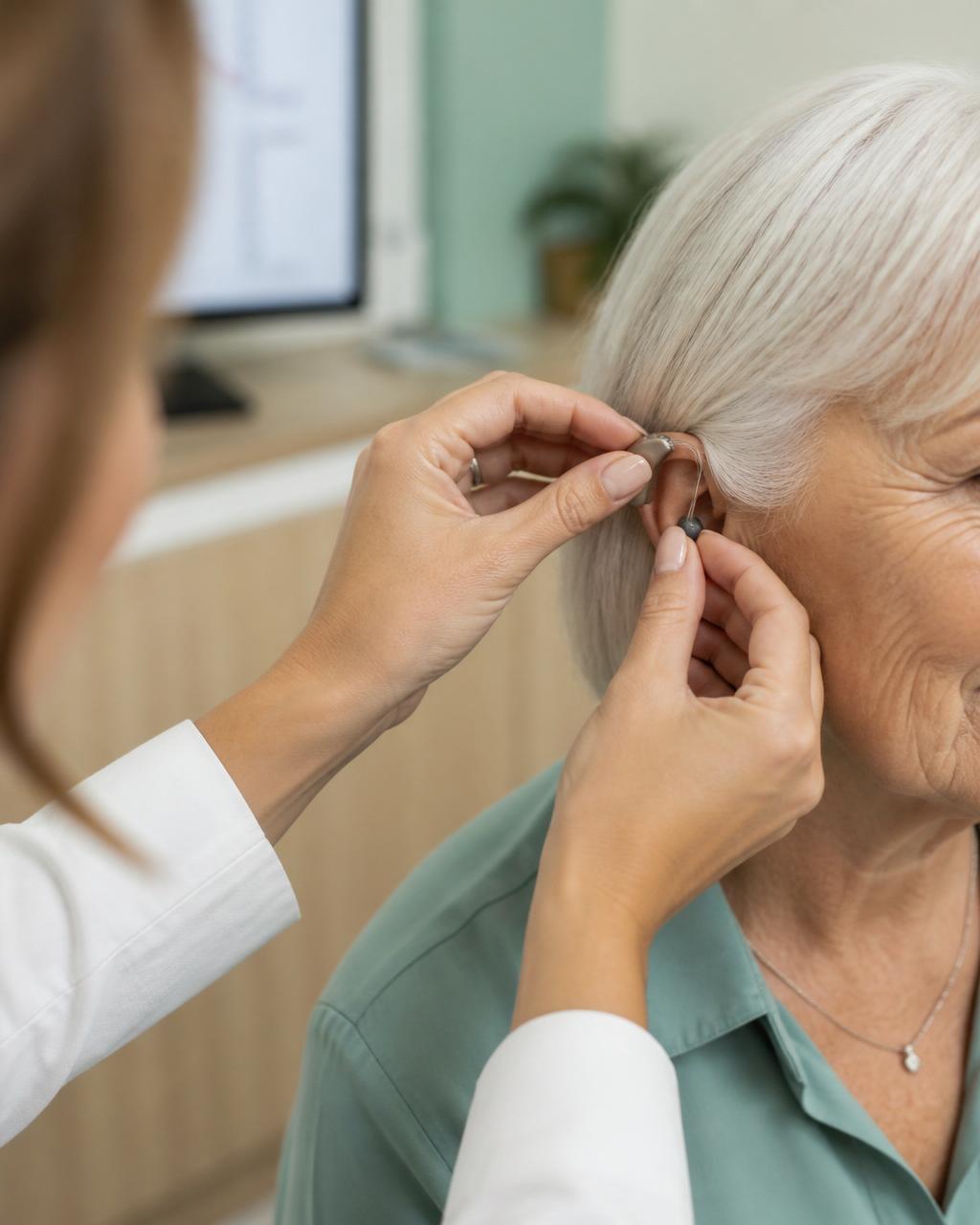
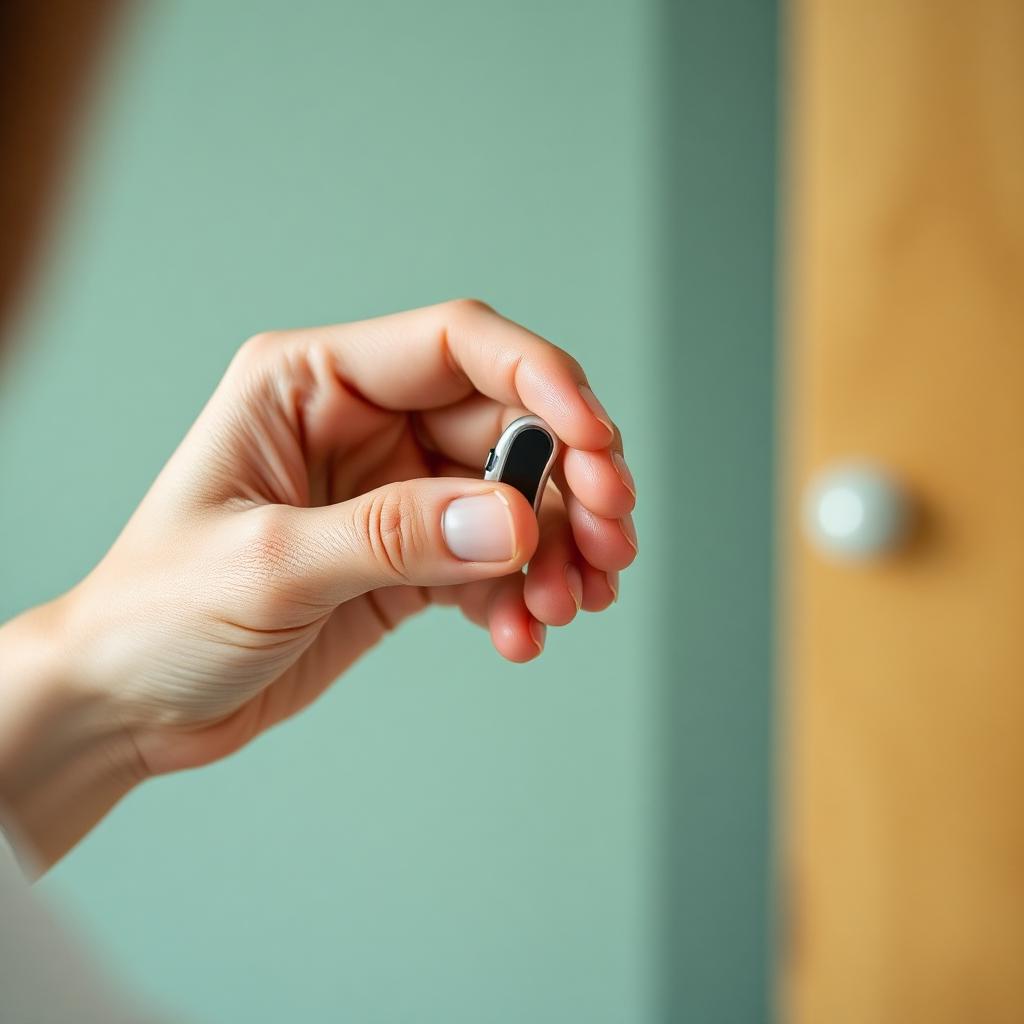
Modern hearing aids are remarkably durable, but three failure modes account for the majority of what walks through the door. First is cerumen — earwax blocking the receiver port or wax guard, which mutes the device or drops output at high frequencies. A ninety-second cleaning and a fresh wax guard usually solves it. Second is receiver failure. The tiny speaker in a receiver-in-canal device sits in a warm, humid environment and typically lasts 18–36 months before it needs replacement. Symptoms are intermittent cutting out, distortion at higher volume, or dead silence on one side. In-office receiver swaps are same-day for the major brands we stock. Third is battery-door or charging-contact wear, which affects rechargeables that live in and out of the charger multiple times daily.
You don't have to be our patient
A common misconception is that a hearing aid must be repaired by the practice that dispensed it. That's rarely true. We service hearing aids from every major manufacturer, whether we fit them originally or not. If your previous provider closed, retired, moved, or simply stopped returning calls — or if you're a snowbird in South Florida for the season and don't want to fly home for a wax guard — walk in. Many issues we resolve on the spot, at no charge for existing patients and for a modest fee for new visitors. When something more serious is happening internally, we ship to the manufacturer under warranty when possible and manage the return communication so you're not chasing a status update.
How to make your hearing aids last longer
Two habits extend service life dramatically. First, wipe the device with a dry microfiber cloth every night before it goes into the charger or dehumidifier — moisture and skin oils are the enemies of receivers and microphones. Second, replace wax guards on the schedule your manufacturer recommends (typically every two to four weeks). If you swim, sweat heavily, or live in a humid climate — which is most of South Florida — a nightly dehumidifier is worth the investment. We'll walk you through the specifics for the model you own.
When it's really a programming problem
Not every complaint labeled a repair is a hardware failure. Patients arrive convinced a device is broken when what actually changed is the acoustic environment, the fit, or the underlying hearing itself. High-frequency thresholds can drift by 5–10 dB over a couple of years, especially after an unprotected loud exposure, and a prescription that was correct at the original fitting is no longer correct today. Dome size can migrate as ear canals change shape. Streaming defaults can override the microphone program without the wearer realizing it. Before we send anything to the manufacturer, we listen carefully to what you're describing, re-check thresholds if the last audiogram is older than a year, verify real-ear output against target, and try a programming pass. A twenty-minute adjustment often solves what looked like a two-week repair. And when the device truly does need to leave the office, we'll tell you exactly what's happening, what the manufacturer will charge under or out of warranty, and how long the return will take.
How It Goes
The process, step by step.
01
Walk-in triage
We look, listen, and test. Many issues are wax, a blocked receiver, or a dead battery — solved on the spot.
02
In-office repair
Domes, receivers, filters, tubes, and cleanings handled in-clinic.
03
Reprogramming
If the fit or sound has drifted, we retest and reprogram to your current prescription.
04
Send-out
For internal component failures, we ship to the manufacturer and manage the return on your behalf.
Who It's For
You might book this if…
- Existing patients on their scheduled clean-and-check
- New patients whose original provider is unavailable
- Snowbirds who need service while in South Florida
- Family members caring for an aging parent's devices
Common Questions
FAQs.
- Do I have to be your patient?
- No. We service most major brands regardless of where they were purchased.
- How long does a repair take?
- In-office repairs are usually same-day. Manufacturer send-outs take 1–2 weeks depending on warranty status.
- Is there a fee?
- Simple cleanings and adjustments are complimentary for our patients. Send-out repairs vary by warranty and manufacturer.
Related at Z Audiology
Keep reading.
- Hearing aid brands we fit — Starkey, Widex, Signia, Oticon, Phonak, and ReSound.
- Meet Dr. Chana Zelenko, Au.D. — the audiologist who wears hearing aids herself.
- Hearing health guide — how hearing loss, cognition, and tinnitus connect.
- Service areas near Boca Raton — Delray, Boynton, Highland Beach, Deerfield, and more.
- Patient reviews — 5-star Google rating from our patients.
- Request an appointment — a short intake to get you on the schedule.
Also at Z Audiology
Comprehensive Hearing Tests & Evaluations
Doctoral-level hearing tests and diagnostic evaluations in a sound-treated booth. You'll leave with a full picture — audiogram, results explained, and a clear recommendation.
Learn moreHearing Aid Consultation & Fitting
Independent selection across Starkey, Widex, Signia, Oticon, Phonak, and ReSound. Real-ear verification. Follow-through until it's right.
Learn moreTinnitus Management
A structured approach to ringing, humming, and buzzing — combining sound therapy, counseling, and hearing-aid tinnitus features when appropriate.
Learn more