Diagnostics
Comprehensive Hearing Tests & Evaluations
The audiogram is more than a chart of dots and lines — it's the map we use to plan every next step. We take the time to run a complete battery, walk you through the results, and answer the questions you didn't know to ask.
Plan for · 60 – 90 min
What's Included
Everything that happens in the room.
- Air conduction & bone conduction testing (250 Hz – 8 kHz)
- Speech reception thresholds and word recognition scoring
- Tympanometry & acoustic reflex threshold measurements
- Stenger testing (pure tone and speech) when indicated
- Otoscopic examination and cerumen assessment
- Loudness discomfort and most-comfortable-level measurements


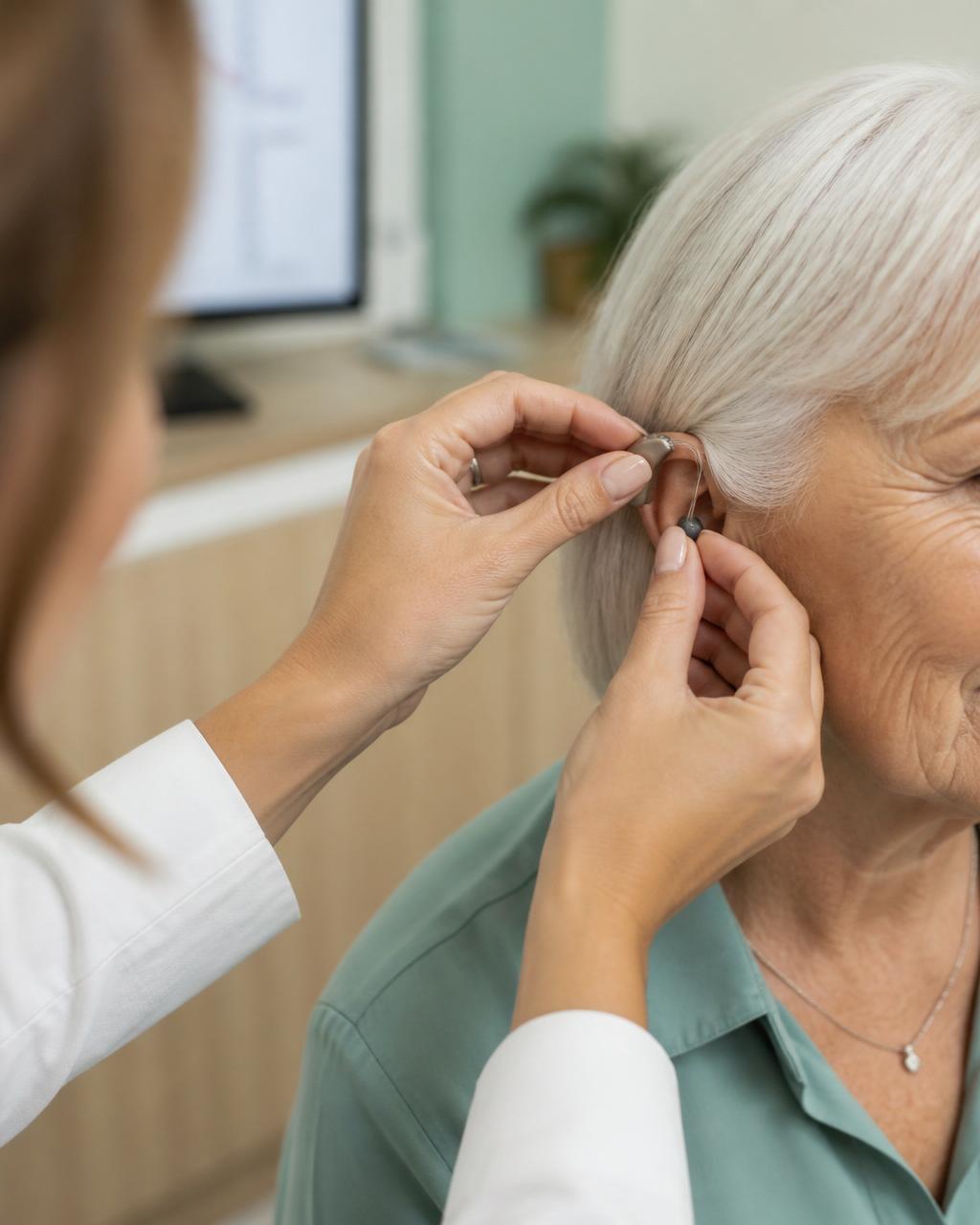
Why a doctoral-level evaluation matters
Most hearing problems don't arrive as silence. They arrive as effort — the strain of following a conversation over restaurant noise, the fatigue after a long meeting, the sense that everyone else is mumbling. A comprehensive audiological evaluation is the only way to translate those experiences into data you can act on. At Z Audiology, every evaluation is performed by Dr. Chana Zelenko, Au.D., in a sound-treated booth using calibrated equipment tested to ANSI standards. We measure air-conduction and bone-conduction thresholds across the full speech frequency range, score word recognition at conversational and elevated levels, and complete middle-ear analysis with tympanometry and acoustic reflex thresholds.
What your audiogram actually tells us
The audiogram is a map of the softest sounds you can hear at each pitch, plotted against the frequencies that carry speech, music, and warning sounds. But the shape of the audiogram matters as much as the numbers. A sloping high-frequency loss — the pattern typical of noise exposure and age-related change — steals the consonants that give words their meaning, which is why many patients describe hearing volume as adequate but clarity as poor. A conductive component points us toward the middle ear and often toward a medical referral. A retrocochlear pattern, though rare, prompts imaging. We won't hand you a chart and walk out; we'll sit with you, compare the results to the speech-banana zone, and explain exactly which sounds are being missed and why. That conversation is where treatment planning starts — whether the next step is monitoring, medical management, or hearing-aid consultation.
How to prepare for your visit
Plan for 60 to 90 minutes. Bring a list of your current medications, any prior audiograms you have on hand, and — if possible — a family member or close friend. Their voice is often the one you most want to hear clearly, and having them in the booth helps us document real-world listening. Avoid loud noise exposure for 24 hours before the appointment when possible; a temporary threshold shift from a concert or range visit can skew results. If you wear hearing aids currently, bring them with charger or spare batteries so we can verify their programming against your prescription.
The link between hearing, cognition, and balance
A hearing evaluation is not only about hearing. The Lancet Commission on dementia prevention has repeatedly identified untreated hearing loss in midlife as the single largest modifiable risk factor for later cognitive decline — larger than smoking, hypertension, or physical inactivity. The mechanism is intuitive once you see it: when the auditory system delivers a degraded signal, the brain diverts cognitive resources from memory and executive function to fill the gaps, and the parts of the auditory cortex that go under-stimulated over years begin to atrophy. Balance is the other silent partner. The inner ear houses both the cochlea and the vestibular system, and adults with even mild hearing loss fall three times more often than peers with normal hearing, according to Johns Hopkins research. When we run your evaluation, we screen for both patterns and — when indicated — coordinate referrals for cognitive screening or vestibular workup. That's the kind of connective tissue that turns a hearing test into actual healthcare.
How It Goes
The process, step by step.
01
Case history
A real conversation about your hearing, your health, your work, and the moments where listening feels hardest.
02
Sound-booth testing
Full diagnostic battery in a treated booth — pure tones, speech, and middle-ear measures.
03
Results, plainly
Your audiogram explained without jargon. We compare against speech spectrum, banana zones, and real-world listening demand.
04
A clear plan
Whether that's monitoring, medical referral, or a hearing-aid consultation — you'll leave knowing what's next.
Who It's For
You might book this if…
- Adults who feel like people are mumbling more than they used to
- Anyone with a family history of hearing loss
- Musicians, veterans, and workers with noise exposure
- Patients preparing for a hearing-aid consultation
- A baseline before starting ototoxic medication
Common Questions
FAQs.
- How much does an evaluation cost?
- We're a private-pay practice, which lets us spend the time your ears deserve. Pricing is transparent — call and we'll walk you through it before you book.
- Do I need a referral?
- Florida allows direct access to audiologists — no referral is required for a diagnostic evaluation.
- What should I bring?
- A list of your current medications and — if you have them — any previous audiograms or hearing reports.
Related at Z Audiology
Keep reading.
- Hearing aid brands we fit — Starkey, Widex, Signia, Oticon, Phonak, and ReSound.
- Meet Dr. Chana Zelenko, Au.D. — the audiologist who wears hearing aids herself.
- Hearing health guide — how hearing loss, cognition, and tinnitus connect.
- Service areas near Boca Raton — Delray, Boynton, Highland Beach, Deerfield, and more.
- Patient reviews — 5-star Google rating from our patients.
- Request an appointment — a short intake to get you on the schedule.
Also at Z Audiology
Hearing Aid Consultation & Fitting
Independent selection across Starkey, Widex, Signia, Oticon, Phonak, and ReSound. Real-ear verification. Follow-through until it's right.
Learn moreHearing Aid Repairs & Adjustments
Clean-and-checks, reprogramming, receiver and dome replacement — for devices we fit and devices you brought with you.
Learn moreTinnitus Management
A structured approach to ringing, humming, and buzzing — combining sound therapy, counseling, and hearing-aid tinnitus features when appropriate.
Learn more